
Asthma is a chronic respiratory disease that affects millions of people around the world. It is characterized by inflammation and narrowing of the airways, which can cause wheezing, coughing, chest tightness, and shortness of breath.While there is no cure for asthma, there are many treatments available to help manage the symptoms. These include inhalers, nebulizers, and oral medications.
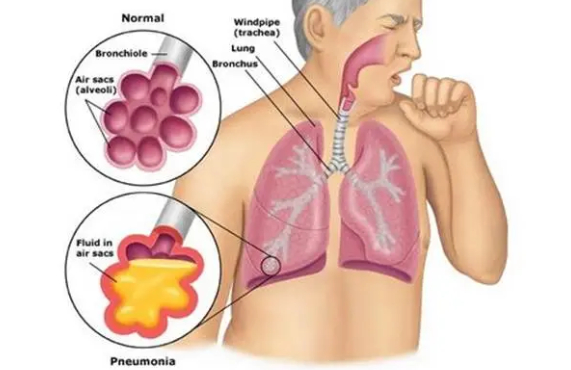
Chronic bronchitis is a type of chronic obstructive pulmonary disease (COPD) that affects the airways of the lungs. It is characterized by a persistent cough, production of mucus, and difficulty breathing. If left untreated, chronic bronchitis can lead to complications such as pneumonia and respiratory failure, so it is important to seek medical attention if you suspect you may have this condition.
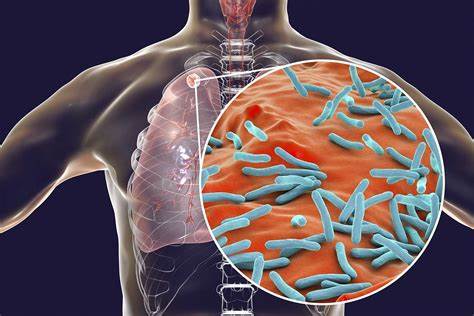
Tuberculosis (TB) is a serious bacterial infection that primarily affects the lungs but can also impact other parts of the body. TB is spread through the air when someone with active TB disease coughs or sneezes, It is important to seek medical attention if you suspect you may have TB or have been exposed to someone with the disease, as early diagnosis and treatment can help prevent complications and transmission to others.
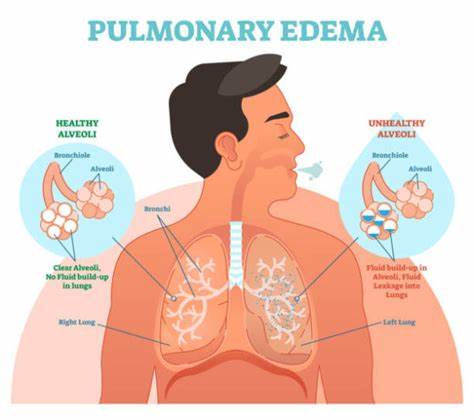
Pulmonary edema is a condition in which excess fluid accumulates in the lungs, making it difficult to breathe. This can be caused by various factors such as heart failure, lung injury, or high altitude. Prevention of pulmonary edema involves managing underlying health conditions, avoiding exposure to high altitudes, and following a healthy lifestyle that includes regular exercise and a balanced diet.
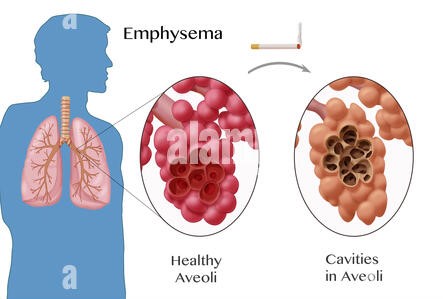
Emphysema damages the walls of the air sacs. Over time, the damage caused by emphysema can be irreversible, and the lungs may not be able to provide enough oxygen to the body.It is important to seek medical attention if you suspect you may have emphysema, as early diagnosis and treatment can help prevent further damage to the lungs.
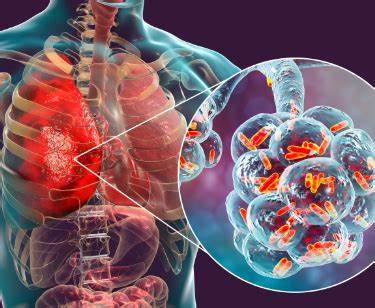
Cystic fibrosis (CF) is a genetic disorder that primarily affects the lungs, pancreas, and digestive system. CF causes the body to produce thick, sticky mucus that can block the airways and lead to respiratory infections. CF can also interfere with the body's ability to absorb nutrients from food, leading to malnutrition and digestive problems. People with CF can lead full and active lives with proper care and management of their condition. It is important for those with CF to work closely with their healthcare providers .